Importance of Hydration
One of the fundamental aspects of managing mucus in throat after ACDF surgery is ensuring adequate hydration. Staying hydrated helps in maintaining clear passages, preventing phlegm from becoming thick and sticky, and enhancing the body’s natural phlegm clearance mechanisms. ACDF patients are often advised to consume clear liquids, such as water, herbal tea, or clear broth, in the early stages of their recovery, as it promotes hydration and mucus control in the throat.
Effective Breathing Techniques
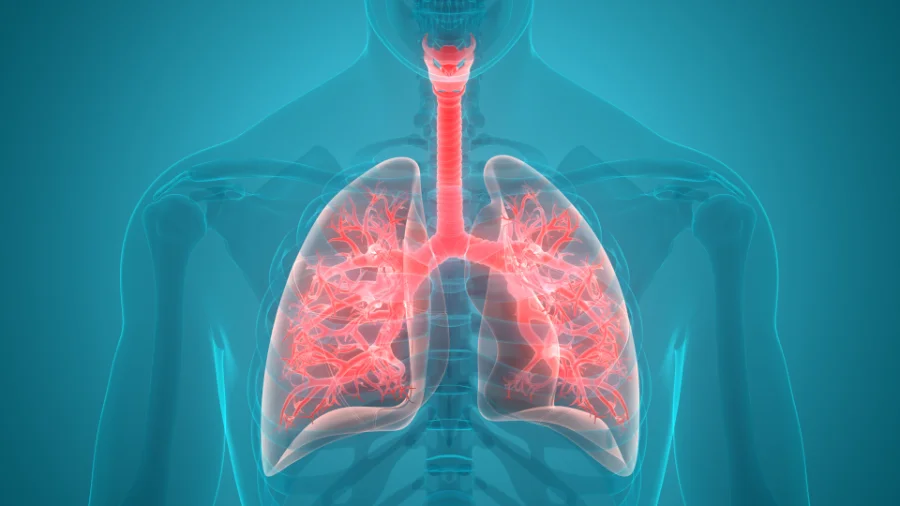
Practicing effective breathing techniques can significantly aid in mucus management post-ACDF surgery. Deep breathing exercises, such as diaphragmatic breathing, help in clearing mucus, strengthening the respiratory muscles, and enhancing overall respiratory health. By incorporating controlled, deep breaths, patients can dislodge mucus, reduce discomfort, and facilitate the body’s natural mucus clearance process, leading to a more comfortable recovery.
Use of Humidifiers
Humidifiers can be a valuable tool in managing mucus discomfort after ACDF surgery. These devices help in maintaining a healthy throat environment, preventing dryness, irritation, and mucus buildup in the throat. By increasing the moisture in the air, a humidifier can alleviate throat irritation, promote mucus clearance, and reduce discomfort caused by mucus accumulation.
Medical Interventions
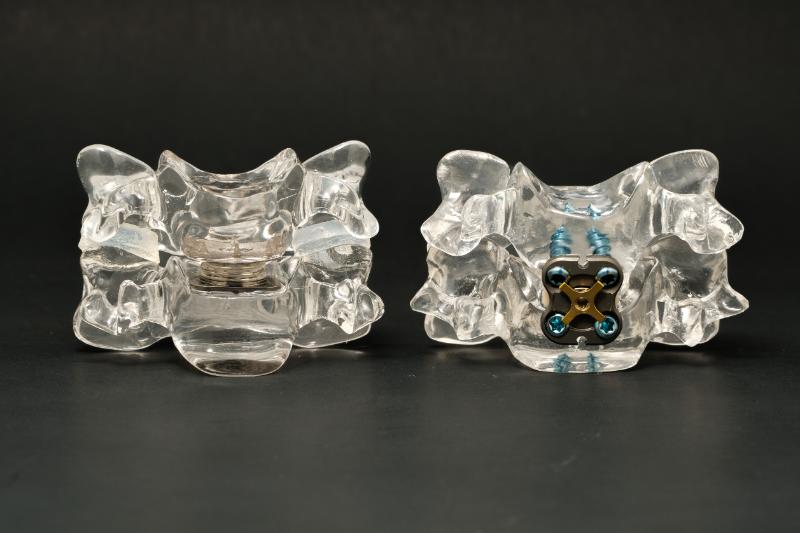
Medical interventions, such as anterior cervical discectomy fusion (ACDF) surgery, are gold standard treatments for cervical spine issues. ACDF surgery involves the fusion of vertebral bodies in the cervical spine, alleviating pressure on the nerves and providing stability in the neck region. Additionally, barium swallow studies are conducted to assess swallowing function post-surgery, ensuring a safe recovery. Radiographic assessment, such as X-rays or CT scans, helps in monitoring the fusion of vertebral bodies, guiding neurosurgeons in surgical planning, and ensuring the success of the surgery. By utilizing medical interventions, healthcare professionals can address the root cause of cervical spine issues, reduce mucus-related discomfort, and promote a healthy recovery.
Role of Diet in Controlling Mucus
Managing mucus discomfort after ACDF surgery involves paying attention to dietary choices, as certain foods can either promote mucus reduction or exacerbate mucus production in the throat.
Mucus-Reducing Foods
Incorporating mucus-reducing foods into the diet can aid with mucus in throat after ACDF surgery. Such foods include hydrating foods, such as watermelon, cucumber, and herbal teas, which help in maintaining mucus in a more liquid form, reducing discomfort in the throat. Foods high in fiber, such as oats, whole grains, and fruits, aid in phlegm elimination, promoting a clear throat passage. Additionally, anti-inflammatory foods, like ginger, turmeric, and leafy greens, can help in reducing mucus production, alleviating throat discomfort. Consuming soft, non-acidic foods, such as soups, mashed potatoes, and yogurt, can be gentle on the throat, preventing irritation and mucus buildup. Lastly, incorporating nutrient-dense foods, such as lean proteins, fruits, and vegetables, supports the body’s overall recovery process, including mucus management.
Foods to Avoid
While phlegm-reducing foods are beneficial in managing phlegm discomfort, there are certain foods that should be avoided, as they can exacerbate mucus production in the throat. Acidic foods, like citrus fruits, tomatoes, and vinegar, can cause throat discomfort, leading to increased mucus production. Spicy foods, such as chili peppers or hot sauces, may irritate the throat, triggering excess mucus production. Hard, crunchy foods, like chips or raw vegetables, can strain swallowing, increasing the risk of mucus accumulation in the throat. Sugary foods, including candies, sodas, and pastries, can worsen mucus production in the throat. Lastly, carbonated and caffeinated beverages, such as soft drinks or coffee, may stimulate mucus glands, leading to increased mucus in the throat. By avoiding these foods, patients can minimize mucus discomfort and promote a clear throat passage.
Measures to Prevent Excessive Mucus
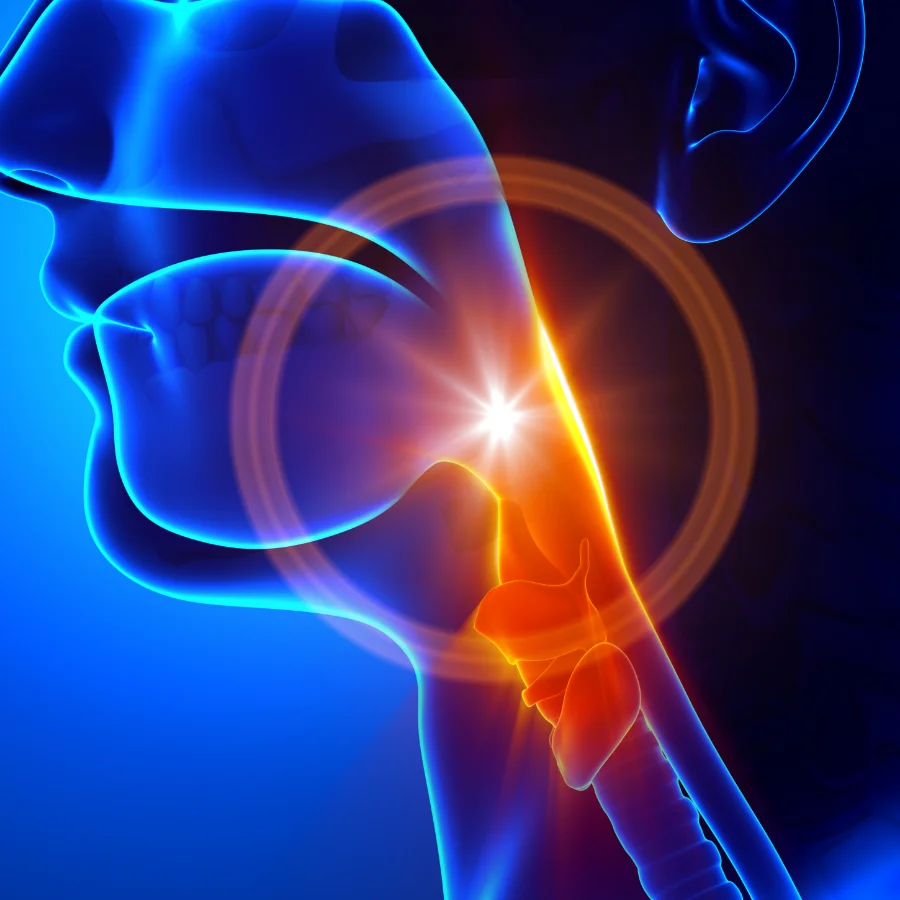
Preventing excessive mucus buildup is a crucial aspect of managing mucus in throat after ACDF surgery. Let’s explore a few measures that can be implemented to minimize mucus accumulation in the throat and neck region.
Preoperative Care
Preoperative care plays a vital role in phlegm management, preparing patients for a smoother recovery process. Preoperative counseling, conducted by healthcare professionals, addresses patients’ concerns about mucus discomfort, ensuring clear communication and understanding of the surgery process. This, in turn, reduces preoperative anxiety, promoting a positive surgical experience. Additionally, neck exercises in the preoperative phase can facilitate postoperative recovery, improving neck range of motion, and neck muscle strength, aiding in mucus control post-surgery. Clear instructions on mucus management, provided by the healthcare team, enhance patient readiness, allowing patients to make informed decisions and actively participate in their own recovery.
Postoperative Care
Postoperative care is of utmost importance in preventing excessive mucus buildup and managing phlegm discomfort after ACDF surgery. A supportive recliner, as recommended by the healthcare provider, helps in maintaining a comfortable position, reducing swelling, discomfort, and mucus-related complications. Consuming soft foods in the early stages of recovery prevents phlegm discomfort, allowing the throat to heal gradually. Monitoring surgical site swelling, as part of the postoperative care plan, ensures the surgical site is healing properly, minimizing phlegm-related complications. Ensuring clear liquids, in the form of water, herbal tea, or clear broth, aids in phlegm control post-surgery, promoting a clear throat passage. Engaging in gentle neck exercises, as advised by the healthcare team, improves post-surgery range of motion, neck muscle strength, and mucus clearance.