When Quitting Smoking Changes Your Taste: Understanding Varenicline (Chantix) and What Can Help
Quitting smoking is one of the most important steps someone can take for their long-term health. For many people, medications like varenicline (commonly known by the brand name Chantix) can significantly improve the chances of successfully quitting. But while the benefits of stopping smoking are clear, the process is not always easy, and the medication used to help can produce some unexpected side effects.
One of the side effects of varenicline can change how things taste.
For some people, foods they once enjoyed suddenly taste bitter, metallic, or simply “off.” Others describe flavors becoming muted or distorted, making meals less enjoyable and sometimes even affecting appetite. While this side effect isn’t always highlighted, it can have a real impact on quality of life during the quitting process.
Understanding why this happens and knowing there are ways to manage it can make the journey to becoming smoke-free much easier.
Why Varenicline Can Change Your Taste
Varenicline works by interacting with nicotine receptors in the brain. It partially stimulates these receptors while also blocking nicotine from binding to them. This dual action helps reduce cravings and decreases the rewarding effects of cigarettes.
However, these same neurological pathways are closely connected to how we perceive taste and smell.
When these receptors are altered, the brain may interpret taste signals differently. This can result in what medical professionals call taste disturbance or dysgeusia. People may experience:
- Metallic or bitter flavors
- A constant unpleasant taste in the mouth
- Reduced ability to taste certain foods
- Food tasting completely different than expected
For someone already dealing with the challenges of quitting smoking, cravings, mood changes, and behavioral adjustments, these taste changes can be frustrating.
But there’s another factor in play as well.
Smoking Cessation Already Changes Taste
Even without medication, quitting smoking can alter taste perception.
Smoking damages taste buds and dulls the sense of smell over time. Once someone stops smoking, these senses begin to recover. As the body heals, taste buds regenerate, and smell sensitivity improves.
While this recovery is ultimately a positive sign, the transition period can feel strange. Foods may taste stronger, sweeter, or unfamiliar. When this natural recovery overlaps with medication-related taste disturbance, the experience can be even more noticeable.
For some people, it can feel like their mouth is constantly sending confusing signals to their brain.
Managing Taste Changes During Smoking Cessation
If taste changes occur while taking varenicline, it does not necessarily mean the medication should be stopped. For many people, the benefits of quitting smoking far outweigh the temporary side effects.
However, managing symptoms can make a big difference in daily comfort.
Some helpful strategies include:
- Drinking more water throughout the day
- Choosing fresh foods with mild flavors
- Avoiding overly bitter or metallic-tasting foods
- Maintaining good oral hygiene
But for individuals experiencing persistent unpleasant tastes, a targeted solution can help neutralize those distortions.
How MetaQil Can Help Comfort Taste Disorders
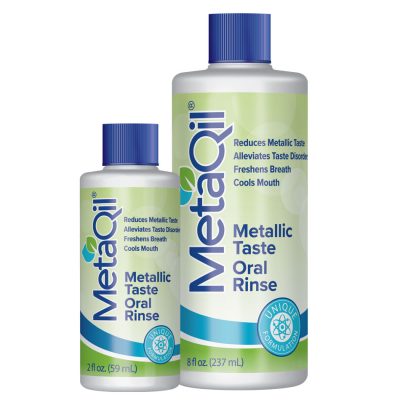
MetaQil was specifically developed to help people experiencing taste disorders, including those caused by medications.
MetaQil is an oral rinse that gently alleviates any unusual taste in the mouth, helping to restore a normal sense of taste. MetaQil is alcohol free, so it does not burn the mouth like a typical mouthwash.
MetaQil contains essential oils that are clinically proven to comfort taste disorders. For individuals taking varenicline who are dealing with metallic or bitter tastes, using MetaQil before meals can help restore a more natural taste experience. This can make eating enjoyable again and help maintain normal nutrition during the quitting process.
Because taste disturbances can occur at unpredictable times, having a convenient option available can provide relief when it’s needed most.
Supporting the Journey to a Smoke-Free Life
Quitting smoking is rarely a single-step process. It’s a journey that often involves medications, behavioral changes, and support systems.
Managing side effects, like taste disturbances, can play an important role in helping people stay committed to the process. When food tastes normal again, daily routines feel more stable and motivation to continue becomes stronger.
While taste disorders are temporary for most people, addressing them early can prevent unnecessary frustration during an already challenging time.
And while taste changes are common, some people also experience dry mouth while trying to quit smoking. Lubricity is a dry mouth oral spray designed to keep moisture in the oral cavity with the use of hyaluronic acid, an ingredient known as nature’s moisture retainer.
The Takeaway
Varenicline has helped many people successfully quit smoking, making it a powerful tool in the fight against tobacco addiction. But like many medications, it can come with side effects that aren’t always widely discussed.
Taste changes may seem like a small issue compared to the health benefits of quitting smoking, but when every meal tastes unpleasant, it can quickly become a daily challenge.
The good news is that solutions do exist. Products designed specifically to address taste disorders, like MetaQil, can help create normal taste perception and make the journey to a smoke-free life a little easier.
And when the goal is better health, every small improvement helps.