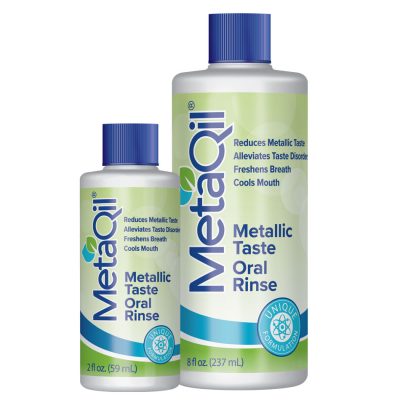
If you’ve ever taken your daily multivitamin or supplements and noticed a strange metallic taste afterward, you’re not alone. Many people share this experience, and while metallic taste after supplements can be surprising, it’s actually more common than most realize.
Everyone’s body processes supplements differently, and there are several reasons this aftertaste might happen. The good news? There are a few simple ways people try to refresh their mouth and make the taste less noticeable.
Common Reasons People Notice Taste Changes After Supplements
Not everyone experiences this, but for some people, certain vitamins and minerals can temporarily change the way things taste. Here are a few of the most common reasons people mention:
Mineral content: Supplements with iron, zinc, or copper are often referred to in discussions about metallic taste because of how these minerals naturally interact with taste buds.
Pill coatings: Some capsules or gel caps have coatings that leave a lingering aftertaste.
Digestion factors:Certain supplements dissolve differently in your stomach, which can briefly affect the way things taste afterward.
High doses or combinations: Taking multiple vitamins or larger doses may amplify these sensations for some people.
When you take supplements, your body has to break them down to absorb the nutrients, and that process can sometimes affect how things taste. Minerals like zinc, copper, and iron can interact with your taste buds or saliva, which is why a metallic taste after supplements can show up even if you’ve never noticed it before.
Your stomach acids and digestive enzymes can also play a role. As supplements dissolve, certain compounds release tiny amounts of gases or byproducts that travel back up the throat, sometimes making the aftertaste stronger. For some people, the effect fades quickly, while others notice lingering taste changes especially when taking higher doses.
While these are commonly shared explanations, they’re not the same for everyone and sometimes, taste changes happen even with low-dose or single supplements.
Why do You Experience Metallic Taste After Supplements
Not everyone experiences a metallic taste after taking supplements, but for those who do, certain vitamins and minerals are often mentioned as possible triggers. Iron, zinc, and copper are the most discussed because these minerals naturally have strong metallic properties. When dissolved, their compounds can interact directly with the taste receptors on your tongue, creating sensations often described as bitter, tangy, or metallic.
Minerals like zinc, copper, and iron can sometimes change how we sense flavors. Researchers believe these minerals may activate taste pathways linked to bitter or savory sensations, making metallic flavors stand out more. In some cases, they can also react with proteins in your saliva, which briefly changes taste perception and leaves a stronger aftertaste.
It’s not always just about the minerals themselves though, but how the supplement dissolves may also play a role. Fast-dissolving tablets can release minerals all at once, making the metallic taste more noticeable. Meanwhile, coated or delayed-release capsules often bypass the taste buds, which may reduce or even eliminate the aftertaste for some people.
Timing can also make a difference. Taking supplements on an empty stomach means the minerals interact more directly with stomach acids, sometimes making metallic sensations stronger. In contrast, taking supplements with food can buffer those compounds and reduce lingering taste changes.
The result is a highly individual experience: two people taking the same multivitamin may have completely different reactions depending on their body chemistry, hydration levels, and the form of the supplement they’re using.
Understanding Dysgeusia (Distorted Taste)
Dysgeusia is the medical term for a distortion in how we perceive taste. Many people describe it as everything tasting metallic, bitter, or just “off.” It’s surprisingly common, affecting roughly 1 in 6 adults at some point in their lives.
Dysgeusia can sometimes occur after taking supplements when certain ingredients — including vitamins, minerals, or other compounds — interact with your taste buds or saliva. As your body processes these nutrients, it can trigger temporary changes in taste perception, which may lead to a lingering metallic or “off” aftertaste. While this sensation is usually harmless and short-lived, it can still affect appetite and overall comfort if it occurs frequently or severely.
Why do You Experience Metallic Taste After Supplements
Not everyone experiences a metallic taste after taking supplements, but for those who do, certain vitamins and minerals are often mentioned as possible triggers. Iron, zinc, and copper are the most discussed because these minerals naturally have strong metallic properties. When dissolved, their compounds can interact directly with the taste receptors on your tongue, creating sensations often described as bitter, tangy, or metallic.
Minerals like zinc, copper, and iron can sometimes change how we sense flavors. Researchers believe these minerals may activate taste pathways linked to bitter or savory sensations, making metallic flavors stand out more. In some cases, they can also react with proteins in your saliva, which briefly changes taste perception and leaves a stronger aftertaste.
It’s not always just about the minerals themselves though, but how the supplement dissolves may also play a role. Fast-dissolving tablets can release minerals all at once, making the metallic taste more noticeable. Meanwhile, coated or delayed-release capsules often bypass the taste buds, which may reduce or even eliminate the aftertaste for some people.
Timing can also make a difference. Taking supplements on an empty stomach means the minerals interact more directly with stomach acids, sometimes making metallic sensations stronger. In contrast, taking supplements with food can buffer those compounds and reduce lingering taste changes.
The result is a highly individual experience: two people taking the same multivitamin may have completely different reactions depending on their body chemistry, hydration levels, and the form of the supplement they’re using.
Understanding Dysgeusia (Distorted Taste)
Dysgeusia is the medical term for a distortion in how we perceive taste. Many people describe it as everything tasting metallic, bitter, or just “off.” It’s surprisingly common, affecting roughly 1 in 6 adults at some point in their lives.
Dysgeusia can sometimes occur after taking supplements when certain ingredients — including vitamins, minerals, or other compounds — interact with your taste buds or saliva. As your body processes these nutrients, it can trigger temporary changes in taste perception, which may lead to a lingering metallic or “off” aftertaste. While this sensation is usually harmless and short-lived, it can still affect appetite and overall comfort if it occurs frequently or severely.
When to Check in with a Professional
While taste changes from supplements are usually harmless and temporary, there are times when it’s worth reaching out to a healthcare provider. If the metallic taste lasts all day, seems to get stronger over time, or continues even on days you skip your supplements, it could point to something else going on.
A professional can help rule out other causes and offer tailored solutions to bring your taste back to normal.
Magnesium supplements are very popular, and many people wonder if they’re linked to metallic taste. In most cases, magnesium itself doesn’t typically cause a lingering metallic aftertaste the way minerals like iron, zinc, or copper can. However, some forms — especially magnesium oxide or magnesium citrate, may leave a slight aftertaste depending on how the supplement is formulated. Choosing a coated capsule, liquid form, or taking magnesium with food can often reduce any noticeable taste disruptions.
For most people, the metallic aftertaste from supplements fades within minutes to an hour after taking them. Staying hydrated, taking supplements with food, or switching formats can help shorten the duration.
Mineral-based supplements are the most common culprits, especially those containing iron, zinc, copper, and chromium. These minerals can interact with your taste buds or saliva, temporarily changing how flavors are perceived.
Some people report a mild metallic taste with vitamin B12 supplements, but it’s less common than with mineral-based options. Taking B12 with food or choosing a coated tablet often helps reduce the aftertaste.
If the metallic taste lasts for several days or occurs even when you’re not taking supplements, it’s best to check with a healthcare provider. Persistent taste changes can sometimes be linked to medications, dental issues, or other health conditions.
Passionate about creating thoughtful, user-friendly marketing that helps people discover and connect with Lubricity. Focused on leveraging data, smart technology, and streamlined strategies to deliver meaningful customer experiences.
ICYMI: What Are Taste Disorders? ICYMI: Taste disorders are much more common than many people think; it is estimated that up to 15% of adults experience a smell or taste disorder but do not seek medical intervention. Some well-known taste disorders are: Phantom Taste Perception Hypogeusia Ageusia Dysgeusia Taste disorders
Can Acid Reflux Cause Metallic Taste? After eating specific foods, occasionally, you may experience a burning sensation throughout your chest and throat. This condition is known as acid reflux. Sometimes acid reflux can create a bitter, sour, or metallic taste in your mouth. This uncomfortable, burning sensation and metallic taste
Experiencing a metallic or altered taste after surgery? Learn how nutrient deficiencies can alter your taste buds and how MetaQil helps restore normal taste and appetite.