Imdelltra™ treatment represents an important step forward in the battle against extensive-stage small cell lung cancer (ES-SCLC), offering new hope to patients facing this challenging diagnosis. Like many other advanced cancer therapies, Imdelltra and metallic taste side effects have been commonly reported. This blog dives into the science behind Imdelltra, explores its role in treatment, and offers practical strategies for managing dysgeusia (metallic taste), ensuring patients maintain a balanced diet and overall well-being. Open communication between patients and healthcare providers is key to managing and overcoming side effects effectively throughout treatment.
Understanding Imdelltra: A Revolutionary Cancer Treatment
Imdelltra (tarlatamab-dlle) is a prescription medicine that brings renewed hope for cancer treatments, especially for people with ES-SCLC. This innovative immunotherapy takes a unique approach, acting as a bridge between the immune system and cancer cells to enhance the body’s ability to recognize and destroy tumor cells.
Unlike regular chemotherapy, which attacks all rapidly dividing cells and often causes widespread side effects, Imdelltra employs a targeted strategy. It specifically binds to Delta-like ligand 3 (DLL3), a protein commonly found on small cell lung cancer cells, making the treatment more precise and potentially reducing collateral damage to healthy cells.
Imdelltra’s Role in Treating Extensive-Stage Small Cell Lung Cancer
Small cell lung canceris a rare but aggressive form of lung cancer, often spreading quickly to other parts of the body. For patients with extensive-stage SCLC (ES-SCLC), where cancer has metastasized beyond the lungs, treatment options can be limited. Imdelltra offers these patients a promising alternative.
Clinical trials have demonstrated encouraging results, with Imdelltra contributing to significant tumor shrinkage and improved survival rates compared to other therapies. For individuals whose options were previously limited, this treatment brings newfound optimism.
Notable Side Effects of Imdelltra
While the metallic taste is a common side effect, Imdelltra may also lead to other adverse effects, such as elevated uric acid levels, bone pain, or changes in blood counts. Patients should refer to the Medication Guide and maintain close communication with their healthcare team to address and manage these effects promptly.
Among Imdelltra’s serious side effects is cytokine release syndrome (CRS). Symptoms like fever, chills, low blood pressure, and respiratory difficulties require careful monitoring and intervention. Supportive care and medications can help stabilize the immune system and minimize risks.
The Side Effect of Dysgeusia: Metallic Taste
One prevalent challenge for patients on Imdelltra is dysgeusia – a persistent metallic taste akin to having a mouth full of coins. This alteration in taste can diminish the enjoyment of food and beverages, impacting appetite and nutritional intake.
Impact of Dysgeusia on Eating Habits and Quality of Life
The constant metallic taste can interfere with mealtime enjoyment, leading to loss of appetite and potential nutritional deficiencies if not managed effectively. Beyond the physical aspect, dysgeusia’s influence on social interactions and mental well-being—such as feelings of isolation and reduced happiness—can make this seemingly small side effect far more significant.
How Can MetaQil Help Imdelltra and Metallic Taste
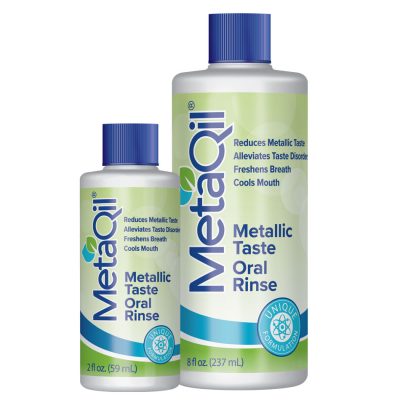
MetaQil Oral Rinse offers a clinically tested solution to ease metallic taste symptoms, helping patients restore their ability to enjoy food and improve their diet. As the only product on the market specifically designed to combat metallic taste, MetaQil’s triple-action formula not only reduces the unpleasant sensation but also freshens breath and promotes oral comfort.
MetaQil stands out as a sugar-free, alcohol-free, gluten-free, and vegan-friendly product, catering to patients with various dietary restrictions while supporting oral health with xylitol.
Conclusion
For patients undergoing Imdelltra treatment, understanding its side effects—like metallic taste—and finding effective remedies, such as MetaQil, is essential for maintaining overall well-being. While Imdelltra’s innovative approach offers hope in the fight against cancer, managing its potential side effects is equally important. With proper support and care, navigating cancer treatment can become more manageable and less daunting.
Imdelltra uniquely harnesses the power of the immune system to target cancer cells, unlike conventional therapies that indiscriminately attack all rapidly dividing cells.
Can Acid Reflux Cause Metallic Taste? After eating specific foods, occasionally, you may experience a burning sensation throughout your chest and throat. This condition is known as acid reflux. Sometimes acid reflux can create a bitter, sour, or metallic taste in your mouth. This uncomfortable, burning sensation and metallic taste
The Simple Ingredients in MetaQil Our development team has formulated the perfect combination of ingredients in the first ever metallic taste solution. Keeping our customers in mind, they used simple, safe ingredients that are effective and help to alleviate symptoms of metallic taste. What are these ingredients? The first is
MetaQil vs. Other Metallic Taste Solutions Metallic Taste, also known as dysgeusia, is a symptom often caused by cancer therapy, GERD, acid reflux, Covid-19, medication side-effects, vitamins, and more. Metallic Taste can get in the way of normal living by either developing food aversions or desire to consume spicy and